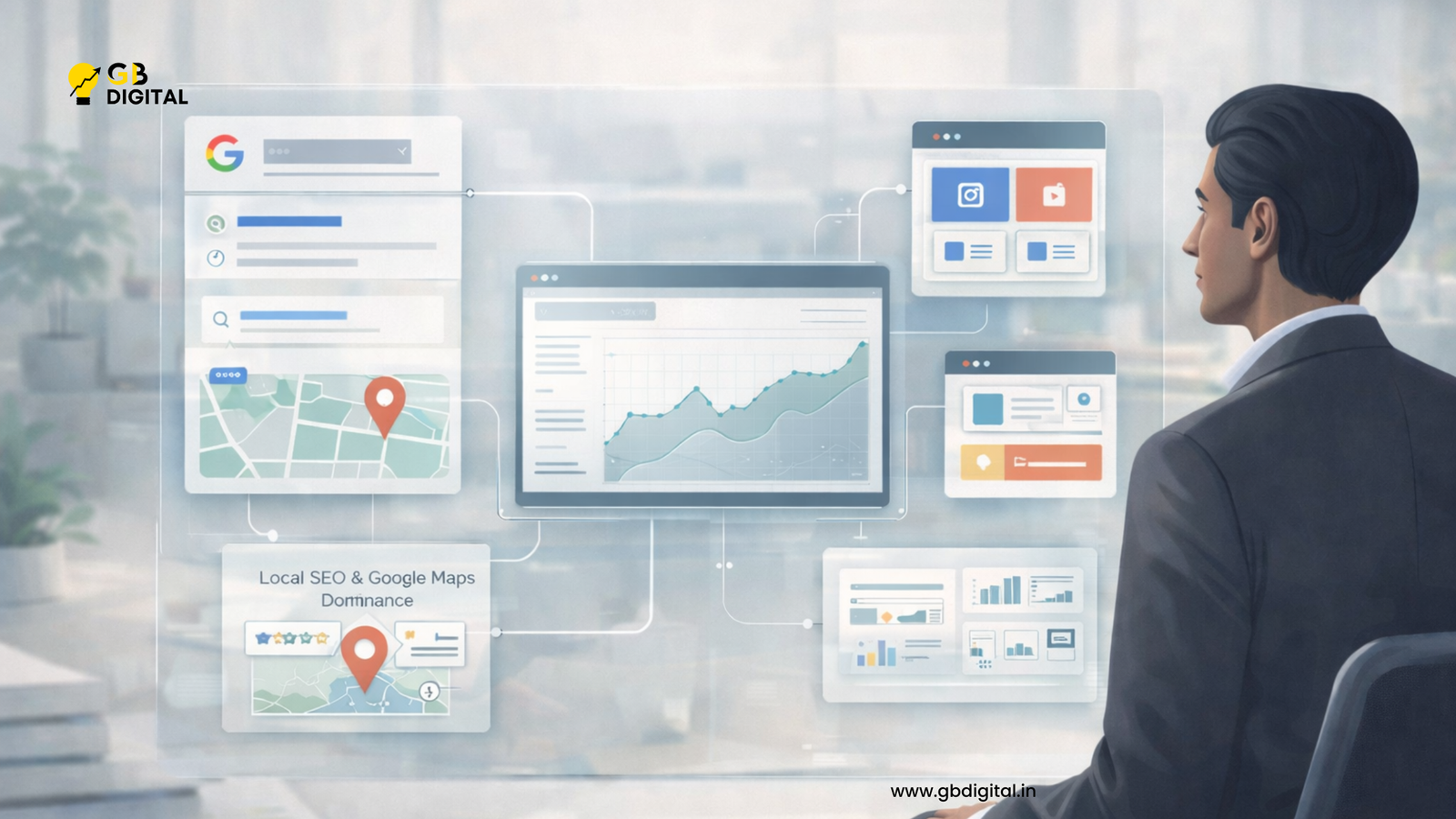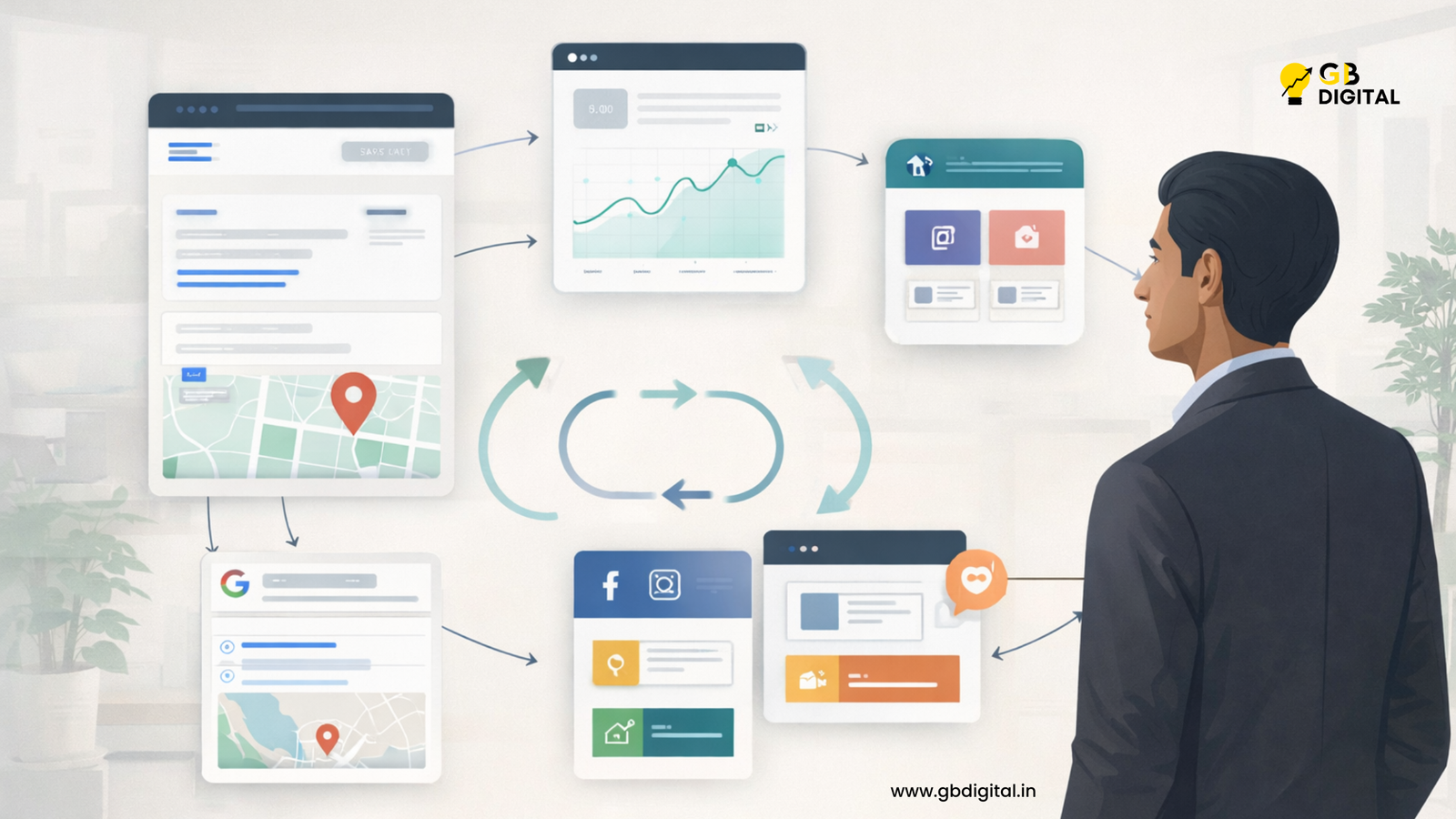
Indian businesses are entering a phase where digital marketing trends in India is no longer about isolated tactics it’s about building connected systems. The digital marketing strategies that worked in 2022 or even 2024 are already losing effectiveness. Rising digital advertising costs in India, stricter data privacy rules, the growing role of AI in digital marketing, and more informed Indian consumers are forcing brands to rethink how they grow online and prepare for the future of digital marketing in India.
As we move into 2026 and beyond, digital marketing in India will be less about hacks and more about long-term, integrated growth engines. Businesses that rely only on Instagram posts or Google Ads without structure will struggle. Those who invest in strategy, data, automation, and brand trust will scale sustainably.
This guide breaks down the most important digital marketing trends in India that business owners, founders, and marketing managers must understand not from theory, but from real-world execution and market behaviour.
The Shift from Channels to Systems (Core Explanation)
Until recently, most Indian businesses approached digital marketing channel-wise:
- SEO team works separately
- Social media is “posting content”
- Ads are run independently
- Website is static
AI in Indian digital marketing will move beyond content generation and chatbots.
That model is breaking.
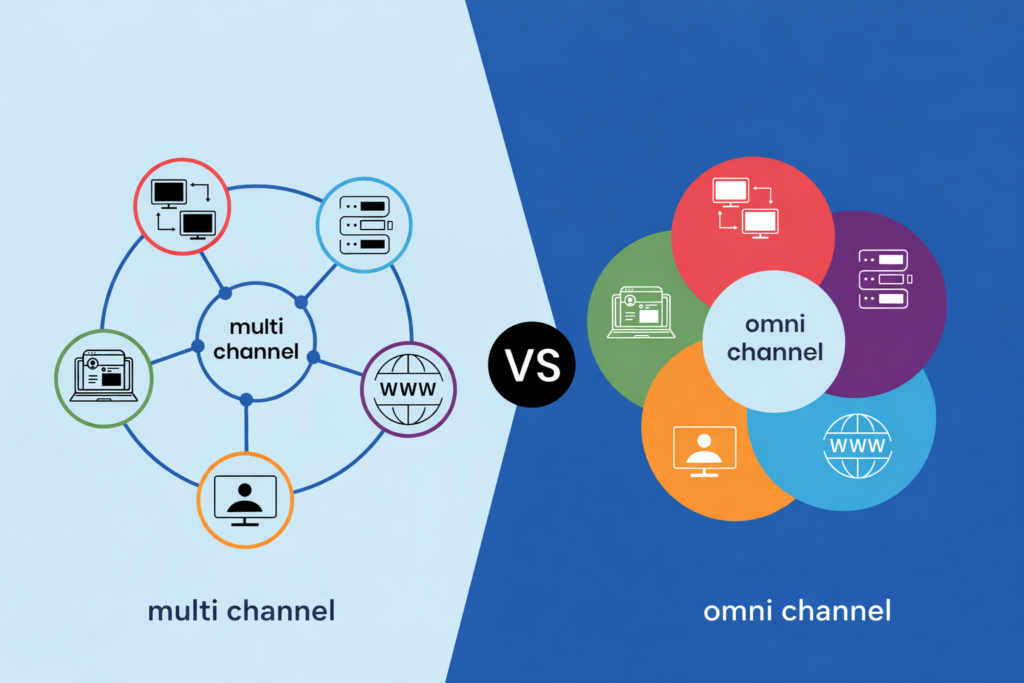
In 2026+, digital marketing works as a connected system, not isolated channels. Google, Meta, and marketplaces already evaluate businesses holistically user experience, engagement quality, brand trust, and data consistency.
What this means in practice:
- SEO supports ads (lower CPC, higher Quality Score)
- Content supports retargeting and email
- Website supports conversion, not just visibility
- Data flows between platforms
Businesses that don’t integrate these pieces will pay more and grow slower.
Key Digital Marketing Trends in India for 2026 & Beyond
- AI-Driven Decision Making (Not Just Automation):
Ad platforms will increasingly reward conversion quality, not just volume.
Real use of AI in 2026:
- Predicting which leads are likely to convert
- Identifying drop-off points in funnels
- Auto-optimizing ad creatives and budgets
- SEO content gap analysis based on user intent
Businesses that treat AI as a “content tool” will underuse it. Those who integrate AI into decision-making will win.
- Performance Marketing Becomes Profit Marketing:
Clicks and impressions are no longer success metrics.
Indian brands are shifting focus to:
- Cost per qualified lead
- Customer lifetime value (LTV)
- Retention and repeat purchases
- Contribution margin per campaign
This is why low-quality lead generation will become expensive and unstable.
- First-Party Data Will Be a Growth Asset:
With cookie restrictions tightening and privacy laws evolving in India, businesses must own their data.
Winning brands will:
- Build email and WhatsApp databases
- Track behaviour on their own websites
- Segment audiences based on intent
- Use consent-based retargeting
Relying only on Meta or Google audience data will be risky.
- Local SEO Becomes Critical for Service Businesses:
Local SEO in India is no longer optional.
By 2026:
- Google Maps visibility will influence trust
- Reviews will directly impact conversion
- Hyperlocal content will outperform generic pages
Clinics, cloud kitchens, franchises, consultants, and local service providers must treat Google Business Profile + Local SEO as a core channel.
Step-by-Step: How Indian Businesses Should Adapt Their Strategy
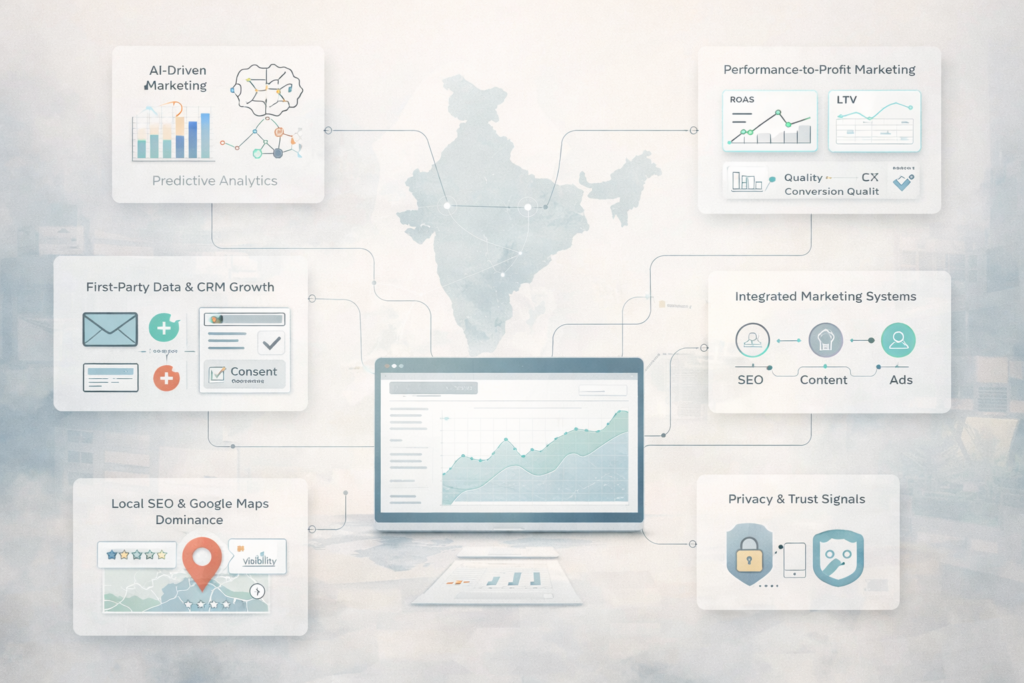
Instead of chasing every trend, businesses should follow a structured approach.
Step 1: Build a Conversion-Ready Website
- Clear positioning
- Fast load speed
- Strong CTAs
- Trust elements (reviews, proof, credentials)
Your website is no longer a brochure it’s a sales asset.
Step 2: Align SEO, Content & Ads
- SEO pages support ad landing pages
- Blogs answer buyer questions
- Content feeds retargeting campaigns
This reduces dependency on paid ads alone.
Step 3: Use Data to Guide Decisions
- Track lead quality, not just volume
- Analyse conversion paths
- Identify drop-offs
- Improve based on behaviour, not assumptions
Step 4: Invest in Brand Signals
- Consistent messaging
- Authority content
- Real-world proof
- Clear niche positioning
In 2026, brands that look credible convert faster.
Common Mistakes Indian Businesses Will Still Make
Even with awareness, many businesses repeat these costly errors:
- Over-Reliance on One Platform – Building everything on Instagram or Google Ads alone is risky. Algorithm changes can destroy growth overnight.
- Chasing Trends Without Strategy – Using AI tools, reels, or automation without a clear goal leads to noise, not growth.
- Ignoring Website & SEO Foundations – Running ads to weak websites increases cost and reduces trust.
- Measuring Vanity Metrics – Likes, impressions, and reach don’t pay salaries. Revenue does.
Tools, Methods & Best Practices (Practical, Not Promotional)
You don’t need dozens of tools. You need clarity.
Core Stack Most Indian Businesses Need:
- Website analytics (GA4-level insights)
- CRM or lead tracking system
- Google Search Console for SEO
- Ad platform dashboards (Meta + Google)
- Basic automation for follow-ups
Best practice is not complexity it’s consistency and interpretation.
Real-World Application: How Indian Businesses Actually Use These Trends
Consider a growing service-based business in India (clinic, cloud kitchen, consultancy, or franchise brand):
- Website redesigned for conversions
- Local SEO optimized for high-intent searches
- Content created around buyer questions
- Ads run only on proven pages
- Leads nurtured via WhatsApp/email
- Data reviewed weekly, not monthly
Result:
- Lower ad costs
- Higher conversion rate
- Predictable lead flow
- Stronger brand trust
No shortcuts. Just systems.
Digital marketing in India is entering a maturity phase. By 2026 and beyond, growth will not come from doing more it will come from doing things in the right order.
Businesses that build systems, understand data, invest in credibility, and think long-term will grow predictably. Those chasing shortcuts will keep restarting.
The next step is not adopting every trend it’s aligning your marketing with how customers actually decide.
Frequently Asked Questions (FAQs)
The biggest trend is the shift from individual channels to integrated digital marketing systems that combine SEO, content, ads, data, and automation.
No. AI will replace manual execution, not strategy. Skilled marketers who understand business, data, and customer psychology will become more valuable.
Yes, but not keyword-stuffing SEO. Intent-based, authority-driven SEO will dominate, especially for high-consideration purchases.
Paid ads are expensive only when strategy is weak. Businesses with strong websites, SEO support, and retargeting systems reduce overall cost.
Extremely important. Local SEO influences trust, discovery, and conversion especially for service-based and location-driven businesses.
Focus on customer journey, data clarity, and conversion systems. Trends should support strategy, not replace it.